- InvestorStartup
- Posts
- From Humanitarian Crises to AI Frontiers
From Humanitarian Crises to AI Frontiers
Future of Markets and Innovation
Quick Peek:
Norway Steps Up as the U.S. Pulls Back – With the dismantling of USAID, global aid faces uncertainty. Norway is filling the gap.
Trump’s Tariff Wars – The U.S. is taking a hard stance on trade fairness
Elon Musk’s Government Efficiency Paradox – A department meant to cut costs just doubled its budget.
China’s Billionaire Reset – Jack Ma’s return suggests a shift in China’s stance toward private enterprise.
The Stablecoin Showdown – Coinbase wants USDC to dethrone Tether. Here’s how they plan to do it.
Bitcoin ETFs Are Booming – Institutional investors are betting big. Is this crypto’s moment?
Tencent’s AI Leap – China’s tech giant is doubling down on artificial intelligence.

Norway Steps Up as the U.S. Pulls Back from Global Aid
The world’s biggest humanitarian donor is stepping back. The U.S., under President Trump’s administration, has dismantled USAID, leaving an $8.2 billion aid budget in limbo. Critical projects such as HIV vaccine trials in South Africa, medical supply chains, emergency food programs, are now left stranded.
Enter Norway, pledging $855 million to NGOs to fill the void. While commendable, this only scratches the surface of what’s needed. Other nations may step up, but the long-term consequence is clear: global humanitarian aid is becoming fragmented, and those most in need will suffer.
This is more than just an aid issue—it’s a shift in U.S. foreign policy. It signals a move away from international engagement, forcing allies to reassess their roles. Could this be the beginning of a larger retreat from global leadership?
The U.S. government is experiencing its own internal contradictions…
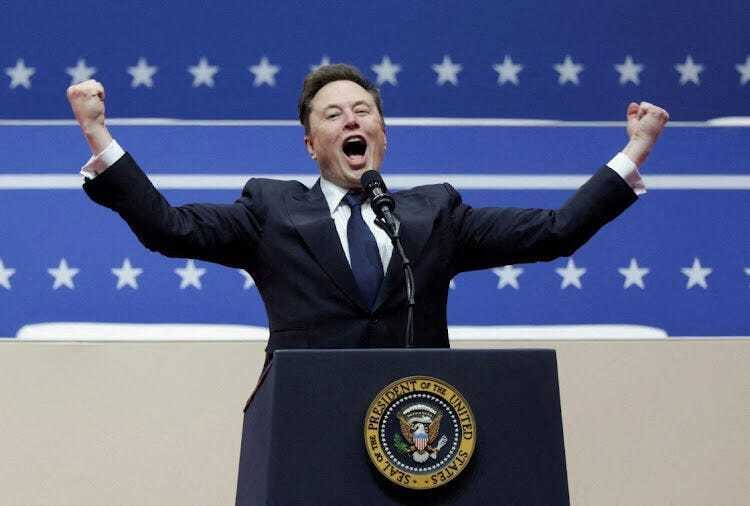
Elon Musk’s Government Efficiency Paradox
Imagine a government department designed to cut $2 trillion in spending—yet its own budget has doubled in three weeks. That’s the reality of the Department of Government Efficiency (DOGE), led by Elon Musk.
Supporters argue that an initial investment is necessary to streamline government operations, consolidate agencies, and execute cost-cutting reforms. Critics, however, call it ironic how can a department promoting fiscal discipline justify an immediate budget increase?
Without resources, reforms stall. But unchecked spending also undermines public trust.
Meanwhile, China is dealing with its own economic contradictions…
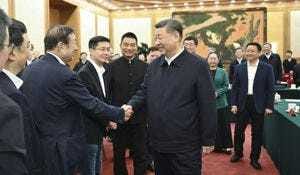
China’s Billionaire Reset: What Xi Jinping and Jack Ma’s Meeting Really Means
For years, China’s tech moguls were untouchable. Then came the crackdown—Jack Ma’s Ant Group IPO was halted, and Chinese billionaires faced regulatory scrutiny.
Now, President Xi Jinping is welcoming them back, signaling a possible policy reversal. With China’s economy slowing, Beijing needs private entrepreneurs to reignite innovation and investment.
But will business leaders trust the government again? Or is this just a temporary fix to avoid further economic downturn?
And speaking of trust issues, let’s look at the stablecoin battle in crypto…
The Stablecoin Showdown: Can USDC Dethrone Tether?
Stablecoins are the backbone of crypto markets. Right now, Tether (USDT) dominates with 60% market share. But Coinbase wants USDC to take the lead—and they’re betting on regulation to help them do it.
The key differences:
Tether thrives in less regulated markets, but faces transparency concerns.
USDC follows stricter U.S. regulations, which could make it the stablecoin of choice for institutional investors.
With the GENIUS Act set to regulate stablecoins, Coinbase hopes USDC will become the safer, more compliant option.
Bitcoin ETFs are signaling that institutional investors are doubling down on crypto…

Bitcoin ETFs Are Booming: The Institutional Shift Is Here
The State of Wisconsin’s pension fund just increased its Bitcoin ETF holdings to $335.9 million a significant vote of confidence in crypto from a traditional institution.
This isn’t an isolated case. More pension funds are quietly adding Bitcoin ETFs, suggesting long-term belief in Bitcoin’s value as a store of wealth.
As regulatory clarity improves, are we witnessing Bitcoin’s mainstream financial adoption?
Meanwhile, Tencent is making its own big bets on AI…
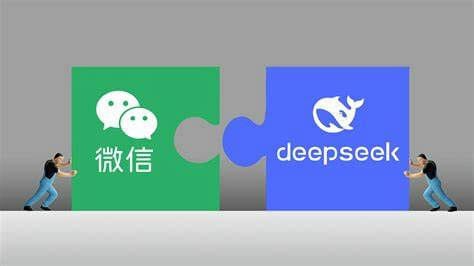
Tencent’s AI Leap: China’s Answer to ChatGPT?
Tencent is integrating DeepSeek’s AI chatbot into its ecosystem, alongside its proprietary model “Hunyuan Thinker.” This dual-model approach could reshape AI in China, especially as the country seeks alternatives to OpenAI and Google.
Why does this matter?
China’s AI ecosystem is evolving rapidly, focusing on localized solutions.
Tencent’s Weixin (WeChat) search will be AI-powered, changing how users interact with information.
Baidu is making similar moves, suggesting a broader industry shift.
Fill the French Press