- InvestorStartup
- Posts
- From Tariff Battles to AI Breakthroughs
From Tariff Battles to AI Breakthroughs
Future of Markets and Innovation
Quick Peek:
Trade War Watch: Why the U.S. stock market remains steady despite escalating tariffs.
Ford’s Dilemma: CEO Jim Farley warns of auto industry turmoil if tariffs persist.
Toyota Goes Big on EVs: Massive investments in China and the U.S. reshape the market.
China’s Battery Dominance: How it controls the EV supply chain and what that means for the world.
Volkswagen’s Budget EV Play: A $21K electric car to rival Chinese competitors.
AI Takes Over: Mistral AI’s new app, OpenAI’s Indian expansion, and Paris’s AI summit.
BYD integrates DeepSeek: BYD incorporate DeepSeek AI into its vehicles, enhancing self-driving capabilities.
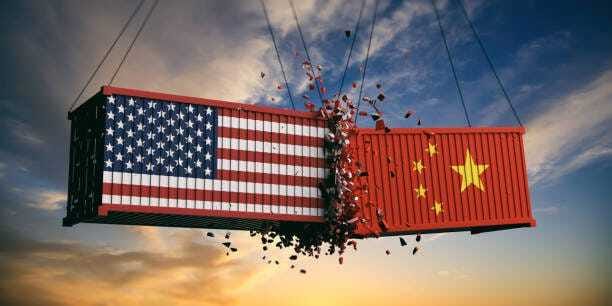
Trade Wars & Market Resilience: Why Investors Aren’t Flinching
Despite escalating trade tensions between the U.S. and China, including President Trump’s 25% tariff on steel and aluminum U.S. stock markets remain resilient. While China has retaliated with tariffs on crude oil and agricultural goods, major indices like the S&P 500 and Dow Jones continue to post gains.
The relative stability is largely due to the U.S. economy, it has shown resilience, with a positive outlook for no recession, contained inflation, and strong corporate earnings that result in positive market performance.
That said, the situation is fluid. If tensions persist, expect volatility to creep in.
Speaking of trade wars, Ford’s CEO has a warning…
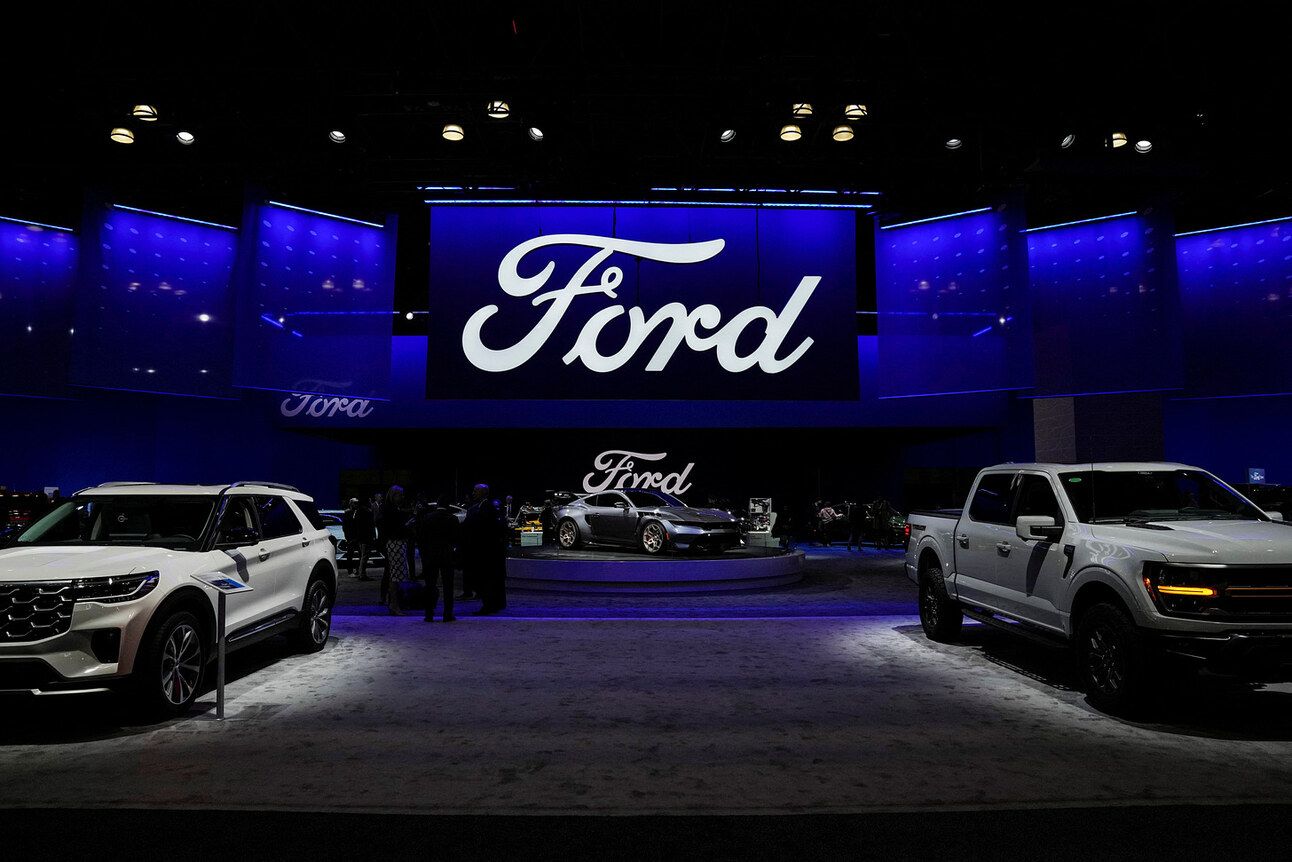
Ford CEO Sounds the Alarm on Tariffs
Ford CEO, Jim Farley, believes that Trump’s proposed 25% tariffs on Canadian and Mexican imports could devastate the auto industry. With 30–50% of U.S. vehicle parts sourced from these countries, will significantly harm the U.S. automotive industry, potentially wiping out billions in profits and adversely affecting U.S. jobs.
While U.S. automakers like Ford bear the brunt, competitors like Hyundai, Kia, and Toyota remain largely unaffected since they import hundreds of thousands of vehicles from Japan and South Korea who have minimal impact from tariffs, raising concerns about fairness in the tariff structure.
Ford says it can weather a few weeks of tariffs, but prolonged enforcement would be a disaster.
On the topic of investment plays, Toyota is making a bold move in the EV space…
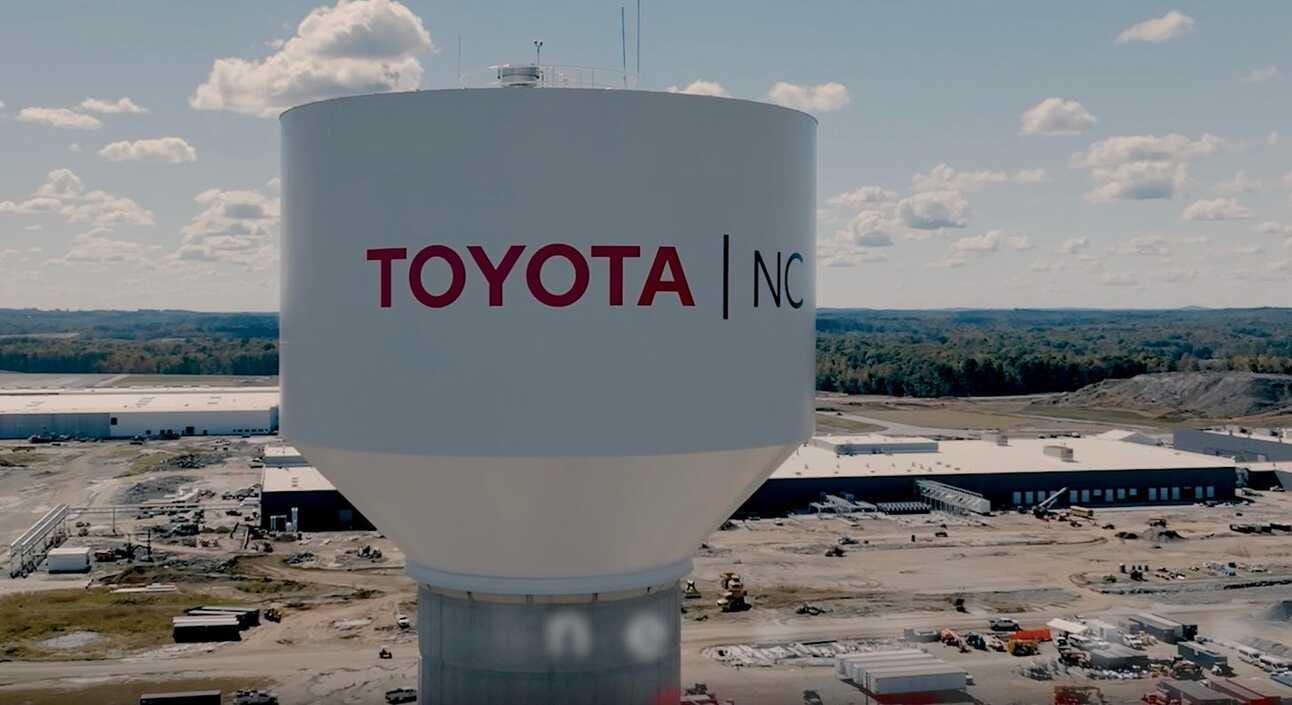
Toyota Bets Big on EVs in the U.S. and China
Toyota is stepping up its EV game, announcing a new battery facility in North Carolina ($14B investment, 5,000 jobs) and a massive Lexus EV plant in Shanghai (100,000 vehicle capacity by 2027).
After criticism for lagging in EV adoption, Toyota is now making aggressive moves to secure its position in the market. With a 61% jump in quarterly profits, the company is well-positioned to accelerate its electrification plans.
But who really controls the EV battery market?
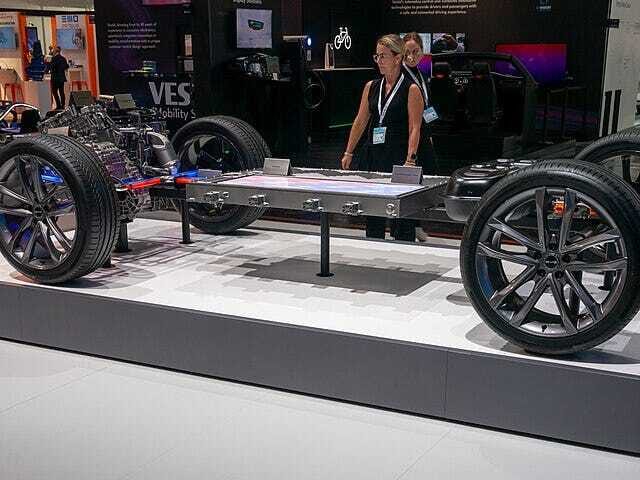
China’s EV Battery Monopoly
China dominates EV battery production, controlling 75% of lithium-ion battery capacity and refining nearly two-thirds of the world’s lithium and 75% of its cobalt.
CATL is the largest battery maker, holding a global market share of 37.1%23. BYD, another major player, ranked second globally. This leverage gives China enormous control over global EV supply chains, leading other nations to scramble for alternatives.
Governments worldwide are now investing in domestic battery production, but breaking China’s grip won’t be easy.
Volkswagen, however, has another strategy, making EVs more affordable…
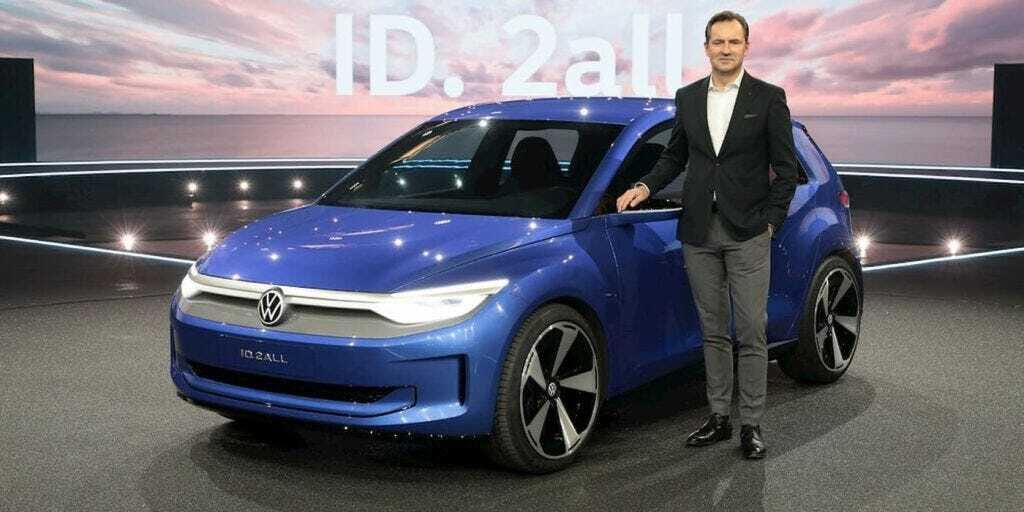
Volkswagen’s $21K EV: A Game-Changer?
Volkswagen is taking on Chinese EV makers with a budget-friendly electric car, the ID.1, priced at just $21,340. To make the ID.1 profitable, VW will work on creating economies of scale and may collaborate with sister brands like Škoda and Cupra to sell rebadged versions of the vehicle.
As Chinese brands flood the market with low-cost EVs, Volkswagen is countering with affordability and quality. The ID.1 aims to be a major player in the European market by 2026–2027.
Volkswagen is also partnering with XPeng to expand China’s EV infrastructure by granting mutual access to their super-fast charging networks, one of the biggest growth areas in the sector.
Meanwhile, AI is taking over the world…
AI Wars: From Mistral’s New App to OpenAI’s India Boom
Mistral AI a European startup focused on making generative AI models more accessible and easier to use has launched its generative AI assistant, Le Chat, for iOS and Android—competing with OpenAI’s ChatGPT.
India is now OpenAI’s second-largest market after the U.S., thanks to its surging tech adoption. Vaishnaw India’s IT Minister highlighted India's three-pronged approach to AI, which includes designing chips, building foundational models, and developing AI applications
AI Action Summit in Paris Representatives from nearly 100 countries, including the US, China, and India, attended the summit with the goal of finding common ground on AI development. Tackling ethical, environmental, and economic AI concerns, with France investing €109B in AI infrastructure.
AI is now a geopolitical battleground, with governments and corporations racing to control the future of automation.
Speaking of AI in cars, BYD just made a move that could shake up the industry…

BYD integrates with DeepSeek
The "God's Eye" autonomous driving system will be installed in at least 21 BYD models, including the budget-friendly Seagull hatchback (priced at $9,550), and will feature remote parking and autonomous highway navigation.
The "God's Eye" system has three tiers with different capabilities based on vehicle model, ranging from entry to premium where premium is reserved for BYDs premium models. Ranging from various LiDAR systems, cameras, and radar sensors for highway autonomous navigation.
Analysts believe this could trigger a new EV price war, with BYD’s stock already surging 16% following the announcement.
Fill the French Press