- InvestorStartup
- Posts
- From Trade Wars to Crypto Shakeups
From Trade Wars to Crypto Shakeups
Global Market Shifts
Quick Peek:
Eurozone Inflation Nears Target – What it means for interest rates and economic stability.
Trump’s Tariffs Shake Global Trade – Who wins, who loses, and how it affects you.
Retaliation Begins: Canada, Mexico, and China Fire Back – The trade war heats up.
India’s Crypto Dilemma – Could a regulatory shift reshape the global crypto market?
Powering AI: The Energy Crisis in the Digital Age – Can natural gas support the data boom?
Meta’s $65B AI Bet – Can Zuckerberg outspend Chinese rivals?
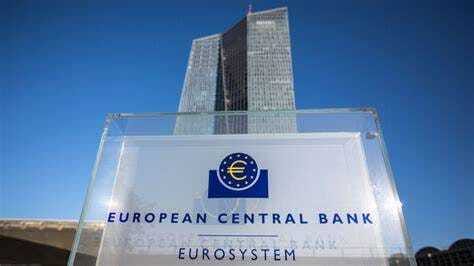
Eurozone Inflation Nears Target – What’s Next for the ECB?
The European Central Bank (ECB) is edging closer to its 2% inflation target, anticipating that inflation will stabilize around its target of 2% by mid-2025, paving the way for potential policy shifts. With inflation cooling, policymakers might consider easing restrictive measures, including lowering interest rates to stimulate economic growth.
While this could provide relief to businesses and consumers, challenges remain. The ECB must juggle global uncertainties, energy price fluctuations, and economic disparities across the eurozone. One misstep, and inflation could rebound, derailing progress.
The ECB’s cautious optimism signals that rate cuts may be on the horizon, but don’t expect drastic moves just yet. Flexibility and data-driven decisions will be the name of the game.
Speaking of policies shaking up the economy…
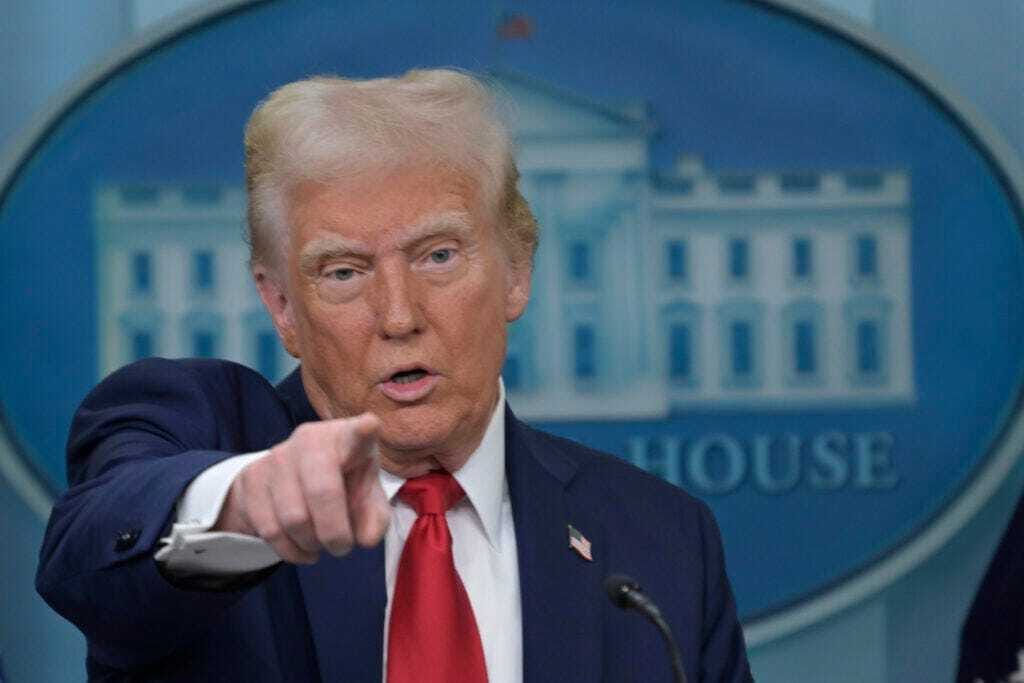
Trump’s Tariffs – The Economic Domino Effect Begins
On February 1, 2025, President Donald Trump imposed steep tariffs on imports from Mexico, Canada, and China, citing national security concerns over illegal immigration and drug trafficking. These tariffs include:
25% on all Mexican and Canadian imports
10% on Canadian energy exports
10% on Chinese goods
While the move aims to address geopolitical concerns, it risks disrupting supply chains, raising prices for consumers, and igniting trade conflicts.
These tariffs may spark inflationary pressure while straining trade relationships. Higher costs on U.S. manufacturers relying on imported parts, resulting in price hikes on consumers for food, appliances and vehicles.
And that response came faster than expected…

Retaliation Begins – Canada, Mexico, and China Fire Back
As expected, Trump’s tariffs were met with swift retaliation, escalating tensions in global trade.
Canada’s PM Justin Trudeau announced 25% retaliatory tariffs on $155 billion worth of U.S. goods, including alcohol, appliances, and furniture. His message? "We will protect our economy."
Mexico’s President Claudia Sheinbaum dismissed U.S. allegations and hinted at countermeasures, while urging diplomatic dialogue.
Beijing condemned the tariffs, filing a complaint with the World Trade Organization and vowing to match U.S. actions with countermeasures.
Shifting from trade wars to tech revolutions, let’s talk about cryptocurrency’s future in India…

India Reconsiders Crypto Policy Amid U.S. Regulatory Shifts
India is rethinking its approach to cryptocurrency regulation, influenced by global trends especially recent crypto-friendly policies in the U.S. under President Trump.
The U.S. has established a national crypto working group and is exploring a digital asset stockpile, signaling a policy shift toward mainstream crypto adoption. Historically, India has been cautious on crypto, citing risks like fraud and market instability, however, Indian investors have led global adoption for two years straight, pressuring regulators to adapt.
India’s Economic Affairs Secretary Ajay Seth suggests that crypto regulations must be coordinated internationally, acknowledging that no single country can regulate digital assets alone.
And speaking of technological revolutions, let’s look at how AI is reshaping energy demand…
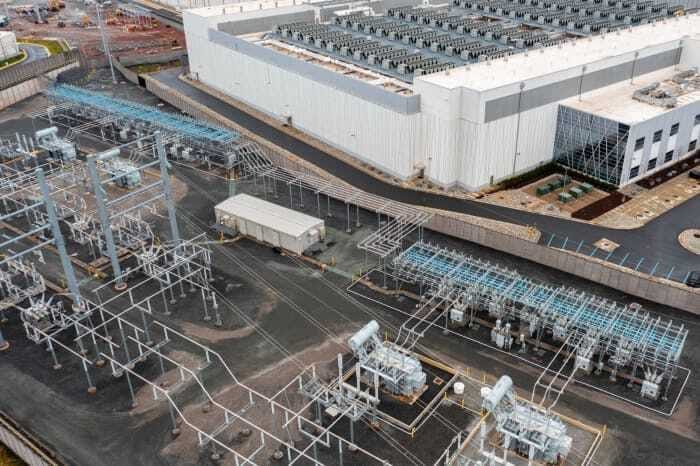
Powering the AI Boom – The Natural Gas Dilemma
The demand for AI-driven data centers is exploding, and powering them requires massive amounts of electricity. Chevron, GE Vernova, and Engine No. 1, who have joined forces to develop natural gas-fired power plants, aiming to deliver 4 gigawatts of power by 2027.
AI and Cloud Computing are fueling unprecedented energy demand. Natural Gas provides a reliable transition fuel, but comes with methane emissions concerns. Renewable Energy isn’t yet scalable enough to support AI’s 24/7 electricity needs

Meta Doubles Down on AI – But Can It Outpace Global Rivals?
Meta is making a $60 Billion to $65 Billion bet on AI in 2025, reinforcing its belief that artificial intelligence will be the backbone of future innovation. The move comes as Chinese AI startup DeepSeek challenges U.S. tech giants by developing powerful AI models at a fraction of the cost.
AI is no longer a Silicon Valley monopoly. As global competition heats up, expect regulatory battles, strategic partnerships, and even bigger spending wars.
[Read More]
Fill the French Press
